 Care Guide
Feeding Ravens Safely: What You Should and Shouldn't Give Them
Feeding wild ravens can be a rewarding experience, but it requires knowledge and responsibility. Ravens are opportunistic feeders with varied diets, but not all human food is suitable for them. Understanding what to offer—and what to avoid—is essential for their health and wellbeing.
Safe Foods to Offer
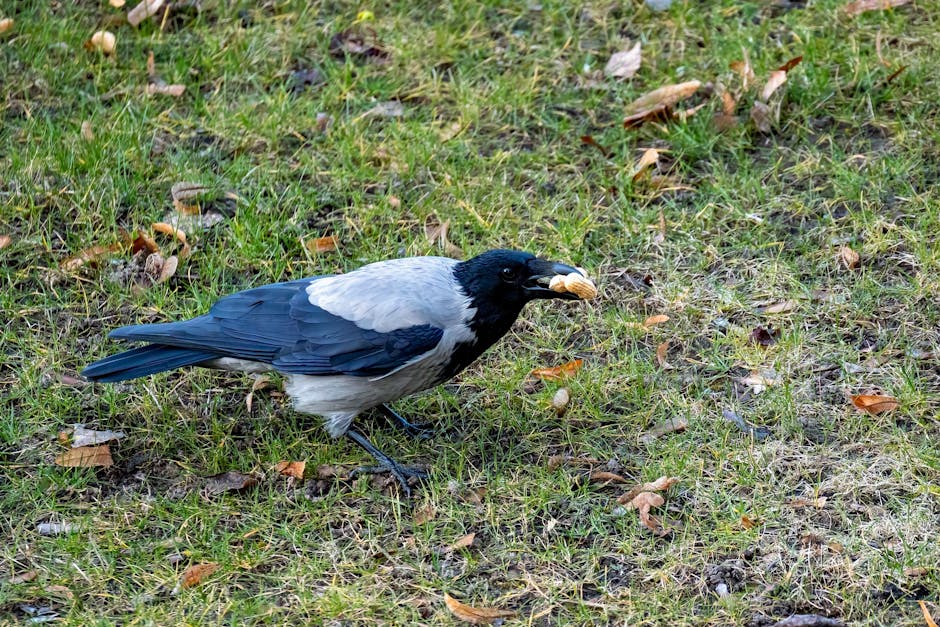
Ravens thrive on a diverse diet in the wild, including insects, small mammals, eggs, and carrion. When feeding them intentionally, offer foods that closely match their natural diet. Unsalted peanuts, sunflower seeds, and suet are excellent choices that provide necessary calories and nutrition. Cooked eggs are also appreciated and offer valuable protein. Fresh fruit such as apples and berries can be offered occasionally, though they shouldn't form the bulk of their diet.
Whole grains and seeds are generally safe, providing important nutrients. Many people find that ravens quickly learn feeding routines and will visit regularly if you maintain consistency. This predictability helps you monitor their health and wellbeing.
Foods to Avoid Completely
Never offer salted or heavily seasoned foods, as excessive salt can harm birds. Chocolate is toxic to ravens, as it is to many animals. Avocado contains compounds that can be harmful, and foods containing artificial sweeteners like xylitol are dangerous. Mouldy or spoiled food can introduce harmful bacteria and fungi, so always ensure food is fresh.
Bread and processed grains should be avoided or minimised. While ravens will eat them, these foods lack nutritional value and can contribute to nutritional deficiencies if they become dietary staples.
Feeding Best Practices
Establish a consistent feeding location and time if possible. Use clean feeding stations that you can regularly sanitise to prevent disease transmission. Remove uneaten food after a few hours to prevent contamination and pest problems. Never hand-feed ravens directly, as this can lead to aggressive behaviour and dependency.
Consider the impact of your feeding on local ecosystems. Supplementary feeding shouldn't replace natural food sources but complement them. Be mindful of other wildlife in your area—feeding stations may attract other species that could become problematic in large numbers.
Responsible feeding can create wonderful opportunities to observe and appreciate ravens while supporting their health. By offering appropriate foods and maintaining good hygiene practices, you contribute positively to these intelligent birds' wellbeing.